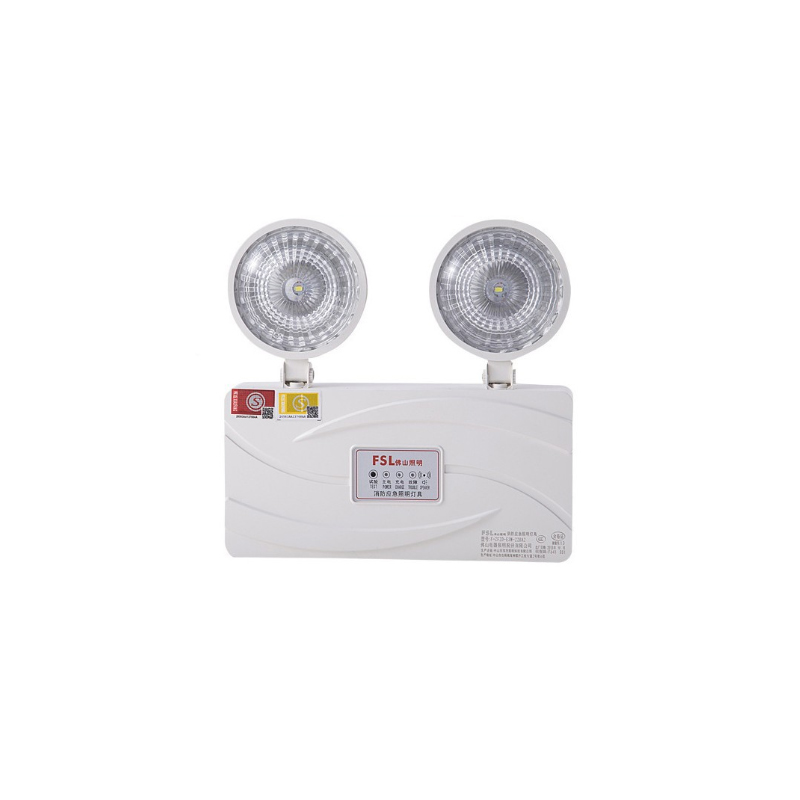
In today\'s world, ensuring safety during emergencies is of utmost importance, and one critical component is the LED emergency lighting fixture. These fixtures provide essential illumination in case of power outages, guiding occupants toward exits and preventing accidents. Understanding the different types and applications of LED emergency lighting is vital for choosing the right solution for your needs. This guide will detail the various types of LED emergency lights, their applications in different settings, and best practices for installation and maintenance.
1. Understanding LED Emergency Lighting Fixtures
- Definition and Purpose: LED emergency lighting fixtures are specialized lighting solutions designed to activate during power failures, ensuring safe egress from buildings. They can be powered by internal batteries or connect to an emergency power source.
- Importance: Providing illumination during emergencies can significantly reduce panic and lead to safer evacuations. According to the National Fire Protection Association (NFPA), inadequate emergency lighting is a leading cause of confusion during evacuations.
2. Types of LED Emergency Lighting Fixtures
- Wall-Mounted Emergency Lights: These fixtures are typically positioned near exits or hallways. They can illuminate pathways effectively and are a basic requirement for most commercial buildings.
- Exit Signs: LED exit signs are illuminated signs that indicate emergency exits. They often have self-testing batteries to ensure functionality.
- Recessed Emergency Lights: Designed to blend with the building’s architecture, these fixtures provide a clean look while offering emergency lighting. They are ideal for areas where aesthetics are essential, such as hotels or malls.
- Floodlights: High-output LED floodlights can illuminate larger areas, making them suitable for outdoor applications, parking lots, and large building perimeters.
- Integrated Emergency Fixtures: Some LED lights come with built-in emergency features. When the main power fails, these lights can switch to battery power automatically.
3. Applications of LED Emergency Lighting Fixtures
- Commercial Buildings: Essential for office spaces, retail environments, and large commercial facilities, where rapid egress is crucial.
- Industrial Settings: In factories and warehouses, emergency lights help ensure that staff can exit safely during power failures or emergencies.
- Healthcare Facilities: Hospitals and clinics benefit from emergency lighting to assist patients and staff in evacuating in low-light conditions.
- Educational Institutions: Schools and universities must comply with safety regulations, making emergency lighting crucial for student safety.
- Residential Use: Homeowners can install LED emergency lights to prepare for power outages, ensuring safety during unexpected situations.
4. Selecting the Right LED Emergency Lighting Fixture
- Assessing Your Needs: Determine how much light is needed and the areas that require coverage. Consider exit paths, stairwells, and parking lots.
- Compliance with Local Codes: Check your local building codes and regulations to ensure that the chosen fixtures satisfy safety requirements.
- Battery Life and Maintenance: Evaluate the battery life of potential fixtures and ensure that adequate maintenance practices are in place to keep them operational.
5. Installation Best Practices for LED Emergency Lighting
- Follow Manufacturer Guidelines: Ensure that all fixtures are installed according to the specific instructions provided by the manufacturer.
- Strategic Positioning: Place fixtures at key locations, such as exit doors and stairwells, to maximize visibility during an emergency.
- Testing and Maintenance: Regularly test the emergency lights according to the manufacturer\'s recommendations and local regulations to ensure they are fully operational.
6. Maintenance Tips for Optimal Performance
- Routine Inspections: Conduct regular checks to ensure fixtures are clean, functional, and free from obstructions.
- Battery Replacement: Replace batteries as per the manufacturer’s schedule and always keep a log for each unit.
- Documenting Testing Results: Maintain records of all inspections and tests to provide evidence of compliance with safety regulations.
7. Conclusion
The importance of LED emergency lighting fixtures cannot be overstated. By selecting the appropriate types, ensuring correct installation, and adhering to maintenance routines, businesses and homeowners can improve safety standards significantly. For quality LED emergency lighting solutions, consider exploring Optilux and their extensive range of products designed to meet diverse lighting needs.